
Nature Policy Bulletin - March 2026
Catch up on nature policy news from last month
Midway to 2030: Governments at the CBD SBI-6 prepare for COP17
With 2026 well underway, the world has now passed the halfway point to 2030. That means we’re halfway to the deadline laid out by Global Biodiversity Framework (GBF) to halt and reverse nature loss, and with that comes an urgent need to shift our collective focus from making promises to delivering them.
At the sixth meeting of the Subsidiary Body on Implementation (SBI-6) of the Convention on Biological Diversity (CBD) in Rome, governments’ priority was to set the process for the Global Review, which will assess how implementation is doing and ensure the right agreements are in place to accelerate progress.
Delegates tackled practical questions that now define the GBF’s credibility and replicability on the ground. Discussions spanned issues including
Financing technical capacity
Monitoring systems
Accelerating national action
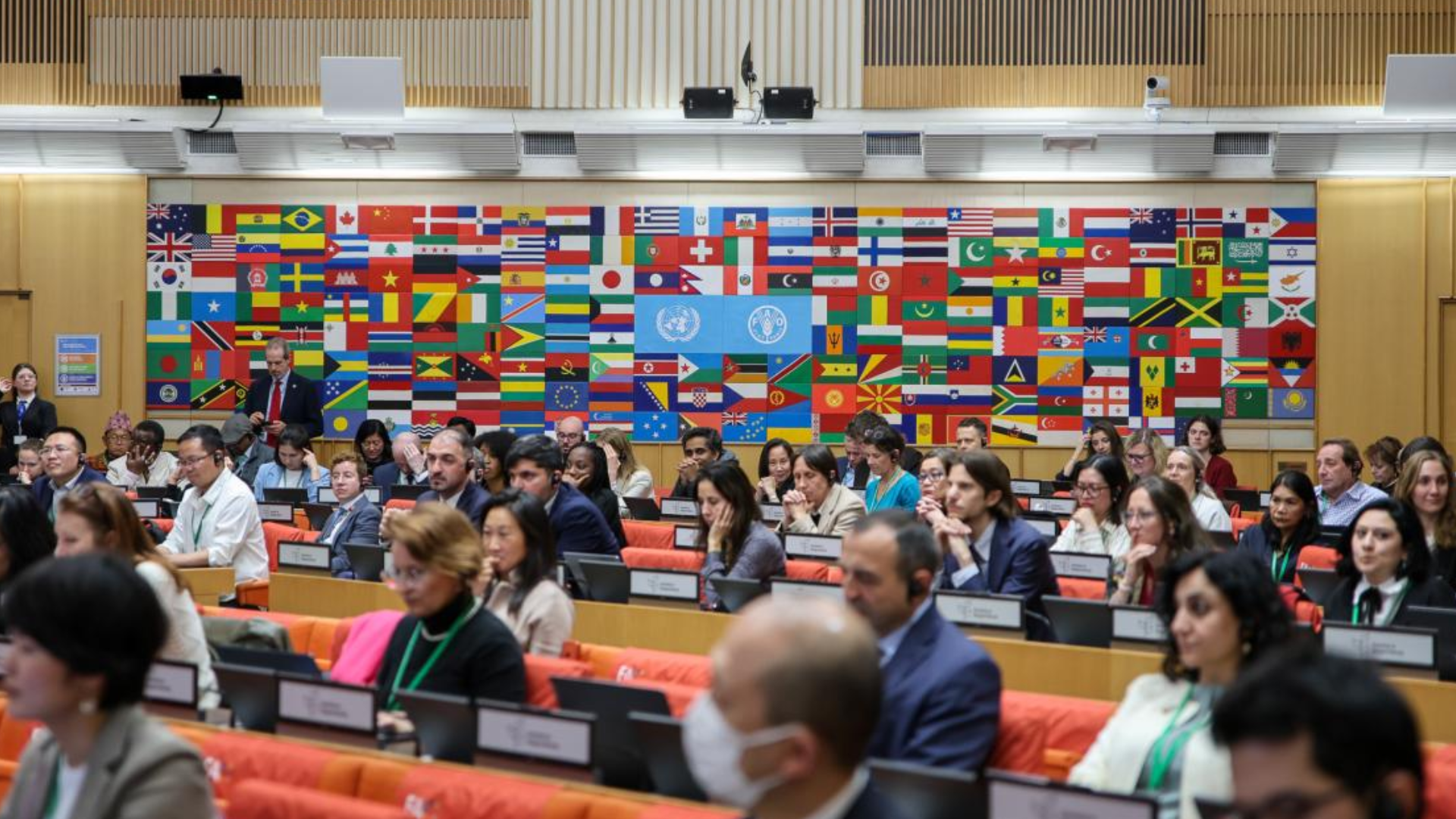
Delegates participate in a roundtable on how agri-food systems can take action for nature at SBI-6. Photo by IISD/ENB | Mike Muzurakis
Accountability remains a major hurdle. National Reports, the primary tools for tracking progress toward biodiversity targets, are missing for the majority of countries. While 100, out of 196 countries parties to the convention, met the February 2026 submission deadline for the 7th round of reports, only half have published updated National Biodiversity Strategies and Action Plans (NBSAPs). Without these plans, it’s very difficult for the world to report on meaningful implementation.
Finance also continues to pose a persistent barrier to progress. At SBI, governments reiterated concerns over the biodiversity finance gap and discussed expanding debt-related instruments, connecting climate and nature (“synergies”), and broadening the scope of who contributes to nature finance.
Along with finance, another key topic was incentives and subsidies – the fiscal and financial signals that shape markets – as defined in the GBF Target 18. Progress around this key lever of change has been particularly slow. Scaling positive incentives has the potential to reset market signals, level the playing field for sustainable business and mobilize capital toward restoration and innovation. It is essential that reforming financial and fiscal incentives is high on the agenda at COP17 in Armenia this October.
When SBI reconvenes in August, attention will return to unlocking finance at scale, a prerequisite if 2030 targets are to remain credible.
Stability for EU deforestation regulation: More certainty for business as European Commission will not reopen the core text
After already watering down the regulation last year, the European Commission reportedly will not reopen the core text of the EU Deforestation Regulation (EUDR) for a second time. Instead, it will opt for targeted adjustments ahead of the regulations entry into force in December 2026.
Potential updates might include expanding the product scope to include soap containing palm oil and instant coffee. However, the core due diligence requirements of the regulation will be maintained.
The announcement comes as a relief for many businesses, providing legal certainty and, crucially, avoiding any further undermining of substantial investments in compliance systems.
The EUDR is a strategic economic tool for preventing deforestation and creating resilience. By reducing exposure to deforestation-linked climate and nature risks, it strengthens supply chain resilience and positions EU companies as leaders in sustainable trade.

The Business Coalition for a Global Plastics treaty convenes businesses for an ambitious and effective treaty to tackle the plastic pollution crisis in a globally coordinated way.
Plastics Treaty momentum: New leadership aims to break the deadlock on global plastic rules
Following months of stalled negotiations and leadership uncertainty, countries have elected Julio Cordano of Chile as the new Chair of the Intergovernmental Negotiating Committee (INC) tasked with delivering a global Plastics Treaty.
Since 2022, governments have struggled to bridge deep divides between two groups:
A high ambition majority pushing for legally binding production cuts
A smaller group lobbying for voluntary, recycling-focused measures.
Unfortunately, the latest Committee session did not advance the treaty itself, but the election of a new Chair signals willingness to keep negotiations alive after talks collapsed at INC-5.2 in August 2025.
Countries will reconvene later in 2026, with the backing of over 300 companies through the Business Coalition for a Global Plastics Treaty. Effective, harmonized rules would enable regulatory certainty for business, leveling the playing field and aligning national policies with a shared global goal.
South Korea’s ESG signal: New guidelines for public institutions set a clear direction for private-sector regulation
South Korea’s Ministry of Economy and Finance released the country’s first ESG Guidelines for public institutions, introducing a standardized framework across 37 indicators covering environmental, social and governance dimensions.
The framework separates indicators into mandatory requirements and voluntary “advanced” indicators that include climate risk and biodiversity.

Urban nature at Cheonggyecheon stream in downtown Seoul, South Korea.
Although aimed at public institutions, these guidelines will impact businesses as companies supplying or partnering with state entities may face new expectations around procurement standards, labor practices, climate risk disclosure and biodiversity considerations.
The inclusion of voluntary biodiversity indicators signals possible future regulatory direction for the broader private sector.
Caught up on March? Go back to the February Bulletin to catch up on previous nature policy stories from around the world.
Sign Up for the Nature Policy Bulletin and other updates from Business for Nature in your inbox each month.